Precious Metal Recycling
Processing Methods in Precious Metal Recycling
Our process chain is based on modern plant technology, continuously optimized methods, and standards from the circular waste economy. This guarantees our customers highly efficient recycling of precious metals from industrial residues and valuable materials.
Precious metal recovery takes place in state-of-the-art, environmentally friendly facilities and processes. This occurs through multiple process stages, from valuable material preparation to electrolysis.
Using certified and environmentally sound processes, we recover marketable fine metal of the highest purity (up to 99.99%).

Step 1
Laboratory Analysis
Your Material Sample Specified
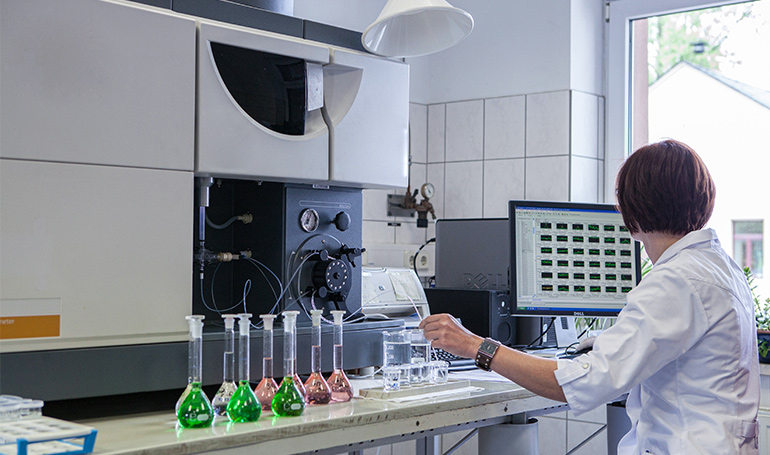
Upon receipt of your samples, the material analysis is performed. The precise material composition is determined in a certified laboratory. The exact chemical composition is determined using high-precision fire assay analysis and measurement methods. The values are documented and summarized in a detailed test report. Finally, the result is verified and released, providing a reliable basis for the valuation and further processing of the material.
High-Performance Shredding
High-Tech for Heavy-Duty Work
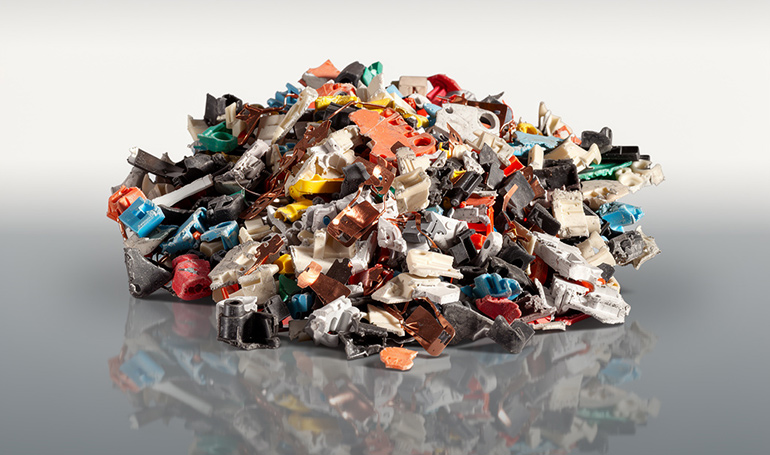
For powerful and economical metal recycling, SilverTeam employs the latest generation of high-performance shredders. Rotating impact shears made of hardened special steels can even shred massive metal bolts and shafts—a unique feature in the market. High-frequency metal separators then separate the granulate into its defined components with high purity.

Step 2


Step 3
Precision Color Sorting
Over 90% Pure Pre-Selection
During automated color sorting, shredded precious metal-containing industrial waste is distributed and separated on conveyor belts. Optical sensors and cameras identify different metal types based on color, reflection, and material characteristics. The particles are classified in real time and selectively separated. Compressed air nozzles or mechanical systems direct the fractions into separate containers. The result is highly pure separation that enables efficient further utilization and raw material recovery.
Precious Metal Refining
To the Highest Purity
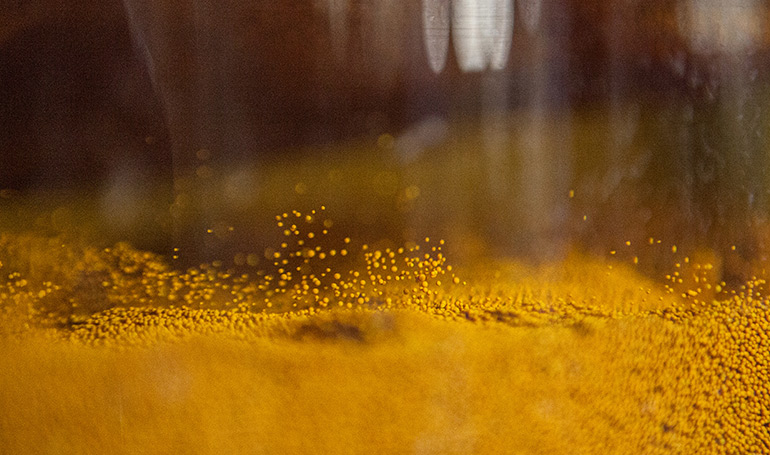
Metallurgical or chemical processes selectively separate precious metals such as gold, silver, platinum, or palladium, as well as base metals, from one another. During smelting, the pre-sorted materials are first cleaned and freed from foreign substances. Subsequently, melting takes place in special high-temperature furnaces. Through appropriate refining processes, impurities are removed and the precious metal content is concentrated.

Step 4

Step 5
Refund
Credit or Metal Account
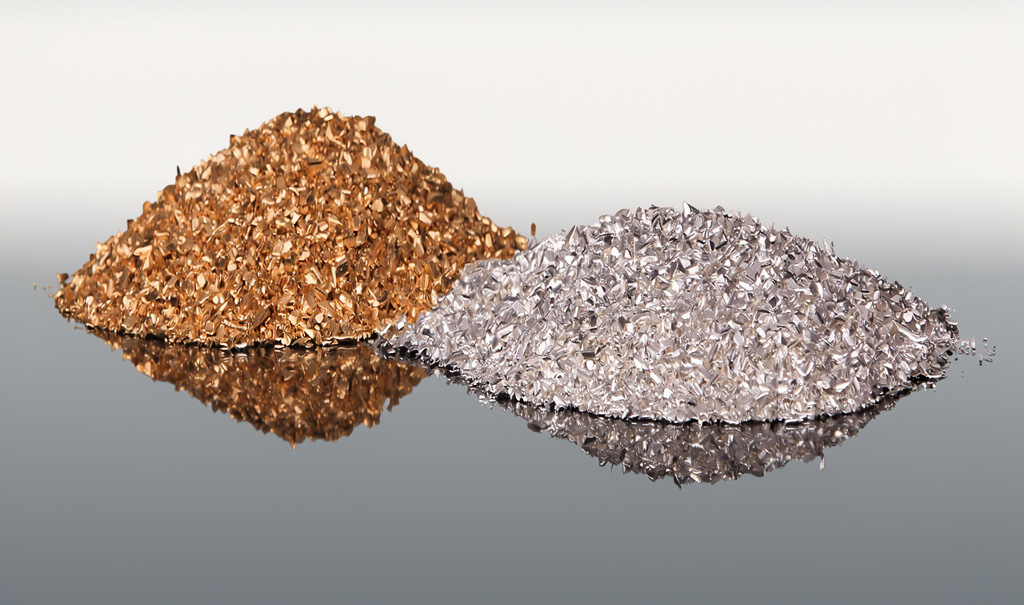
At the end of the process, the precious metals are available in standardized form as bars or granules. You receive a corresponding direct credit. Alternatively, under certain conditions, we can set up your own metal account. This account manages both the holdings from your recycling reimbursements and from your forward purchases. Precious metals can be transferred freely between different metal accounts. This allows you to take advantage of price fluctuations. Another benefit is the availability of supply, even during general raw material shortages.